
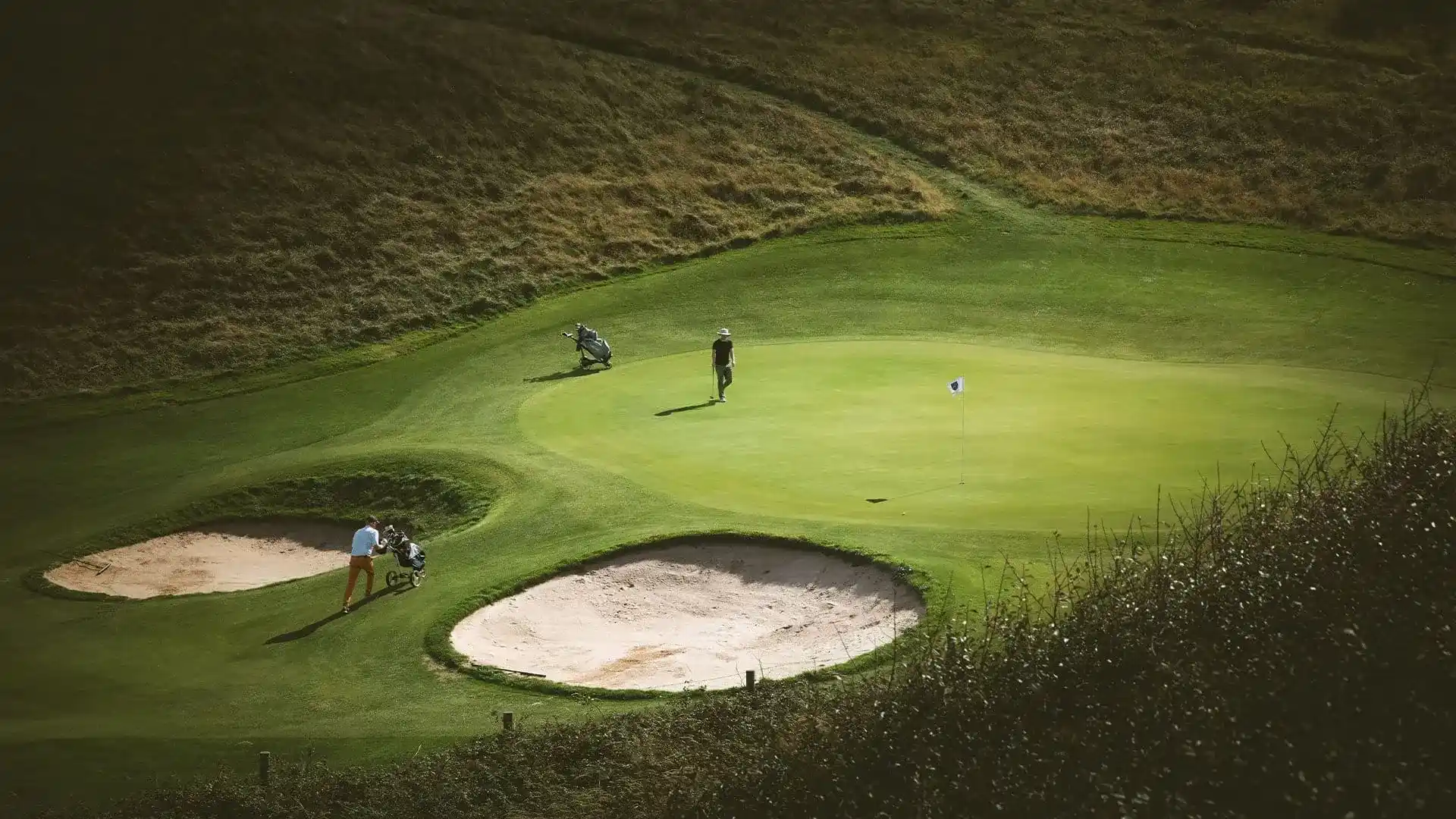
Blame the Turf: Creative Excuses for Missing a 3-Foot Putt
The ball sits three feet from the cup. You have already pictured it dropping, retrieved it mentally, and begun walking toward the next tee with heroic confidence. Then you tap it. The ball slides past the edge, and suddenly the turf become suspicious, the wind develops a personality, and a bird three fairways away deserves disciplinary action. Missing a short putt feels strangely personal because success seemed inevitable. Yet excuses cannot lower a score. Understanding why golfers invent them can. Let us expose the funniest alibis, uncover the real errors beneath them, and build a routine that survives pressure again.
Why Short Misses Feel So Unfair
A long putt carries uncertainty. When it stays outside the cup, nobody gasps. A three-foot attempt feels different because the target appears close enough to reach with a casual movement. That expectations turns a small miss into a public betrayal.
The emotional reaction often arrives before any useful analysis. Instead of asking whether the face was square or the pace was sensible, the golfer searches the surroundings for an explanation. A mark on the green, a gust, a shadow, or an unexpected sound becomes the convenient suspect.
The solution is not harsh self-criticism. It is curious observation. View each miss as information. Notice where the ball began, how quickly it moved, and which side of the cup it crossed. Those details tell a clearer story than frustration ever could.
Excuse One: The Turf Moved
Small surface variations can influence a rolling ball. However, many short misses begin offline immediately, long before any tiny flaws could matter. Watch the first six inches. If the ball starts left or right of your chosen line, the putter face or swing path deserves attention.
Use a simple gate drill. Place two tees slightly wider than the putter head and swing through without touching them. Add another pair just ahead of the ball, creating a narrow starting gate. When the ball passes cleanly through both gates, your face control and initial direction are improving.
You should still read the surface. Look from behind the ball, identify the expected curve, and select a precise starting point. Just do not confuse reading the green with conducting an archaeological survey after every miss.
Excuse Two: Someone Breathed During the Stroke
A dependable routine gives your attention somewhere useful to rest. Stand behind the ball, read the line, choose your starting point, take one or two rehearsal strokes, set the face, settle your feet, look once, and roll. Keep the sequence brief and consistent.
The routine should not become a ritual requiring silence from an entire postal district. Practice with mild distractions. Let a friend move nearby, play quiet background sounds, or create a scoring challenge that introduces tension. The purpose is to keep attention on your process even when the environment is faulty.
If a sudden sound occurs before movement, step away and restart. If it happens after the stroke begins, accept the result without building a courtroom argument around it. Mental recovery matters as much as physical execution.
Excuse Three: The Cup Rejected the Ball
Many edge misses are really pace problems. A ball arriving too quickly has less opportunity to fall when it reaches the side of the cup. A softer roll effectively makes the usable entrance wider. That doesn’t mean every putt should crawl. It means speed and line must work together.
Build distance control by placing markers one, two, and three feet beyond a practice cup. Roll putts from several distances and try to finish each ball between the cup and matching marker when it misses. This creates a clear speed window without asking you to become obsessed with mechanics.
For a three-foot putt, choose a pace that would carry the ball a modest distance beyond the hole. Commit to that pace before addressing the ball. Hesitation often produces either a jab or a decelerating stroke, both of which make the cup appear far less welcoming.
Excuse Four: The Putter Became Strange
Equipment influences comfort and alignment, but it rarely changes personality between holes. More often, tension has altered grip pressure or posture. Tight hands reduce feel and encourage a jerky transition. A cramped stance changes where the eyes sit relative to the ball.
Before replacing anything, reset the basics. Let your arms hang naturally. Position your eyes near the intended line. Hold the grip with stable but moderate pressure. Make a stroke driven by the shoulders while the wrists remain quiet.
Try hitting five putts with your usual grip, five with lighter pressure, and five with firmer pressure. Compare starting line and distance. The exercise helps you find a repeatable sensation rather than relying on vague impressions. New equipment may offer a different look or balance, but it cannot replace a consistent setup.
Excuse Five: The Ball Had Bad Intentions
What changed was probably attention, tempo, or commitment. Pressure can make a golfer guide the putter instead of swinging it. The stroke becomes cautious because missing feels unacceptable. That attempt to control the outcome often disrupts the motion required to achieve it.
Shift your objective from making the putt to completing your routine. You cannot command the final bounce, but you can choose the line, set the face, and make a committed stroke. Process goals keep the mind involved in actions rather than consequences.
Create pressure in practice by making five short putts in a row before leaving. If you miss, begin again. The challenge introduces consequences without turning one failure into a crisis. Over time, the final putt feels familiar rather than threatening.
The Real Culprits Behind Short Misses
Diagnose these causes individually. Draw a straight line on a ball and aim it toward a flat target. If the line wobbles immediately, the strike or face control needs work. If it rolls cleanly but misses the cup, alignment or reading may be responsible.
Next, place a coin three feet away and roll balls across it. A coin removes the emotional drama of the cup and emphasizes starting direction. When you can repeatedly cross the coin, return to the hole, and preserve the same motion.
Finally, track misses during actual rounds. Record whether each short attempt finished left, right, short, or long. A pattern provides direction for practice. Memory tends to exaggerate dramatic misses while ignoring ordinary ones, so written notes offer a more useful picture.
Build a Stroke That Travels
Include uphill and downhill putts. Uphill attempts usually allow firmer pace, while downhill attempts demand restraint. Learning both improves touch and prevents one-dimensional practice. Change distances frequently so your brain must solve a fresh task instead of repeating a memorized movement.
Finish with a nine-putt test from three feet. Place balls around the cup like numbers on a clock. Count how many you make, record the result, and try again another day. Progress becomes visible, which encourages continued practice and replaces vague confidence with earned familiarity.
Turn the Joke Into Useful Feedback
After a miss, allow yourself one entertaining sentence. Then ask three questions: Did the ball start on my line? Was the pace suitable? Did I follow my routine? These questions take seconds and direct attention toward elements you can influence.
Avoid rebuilding your stroke during the round. Make one small adjustment, such as reducing grip pressure or choosing a clearer starting point. Save large experiments for practice. Constant mechanical editing creates uncertainty when commitment is needed.
Respond to successful putts with equal attention. Notice the rhythm, setup, and pace that worked. Golfers often tend to analyze failure intensely while viewing success as an accident. Positive information is still information, and repeating effective actions is the point of practice.
Let Your Next Three-Footer Speak
You do not need silence, flawless turf, obedient equipment, or a cooperative universe. You need a repeatable routine, a sensible pace, and enough perspective to keep one miss from contaminating the next attempt.
Keep the jokes because golf needs them. Blame the turf for five seconds if it makes your group laugh. Then practice the gate drill, sharpen your distance control, and return with a stroke that gives the ground far less material to work with during actual play. The cup is not plotting against you. It is simply waiting for a ball that begins on line and arrives with a speed that lets gravity finish the conversation.